The short answer
We hang, strip and repair wallpaper throughout Conway, about 5 miles from our Orlando base. Older plaster and block walls usually need smoothing and priming first, and we help you decide whether paper or paint suits each room.
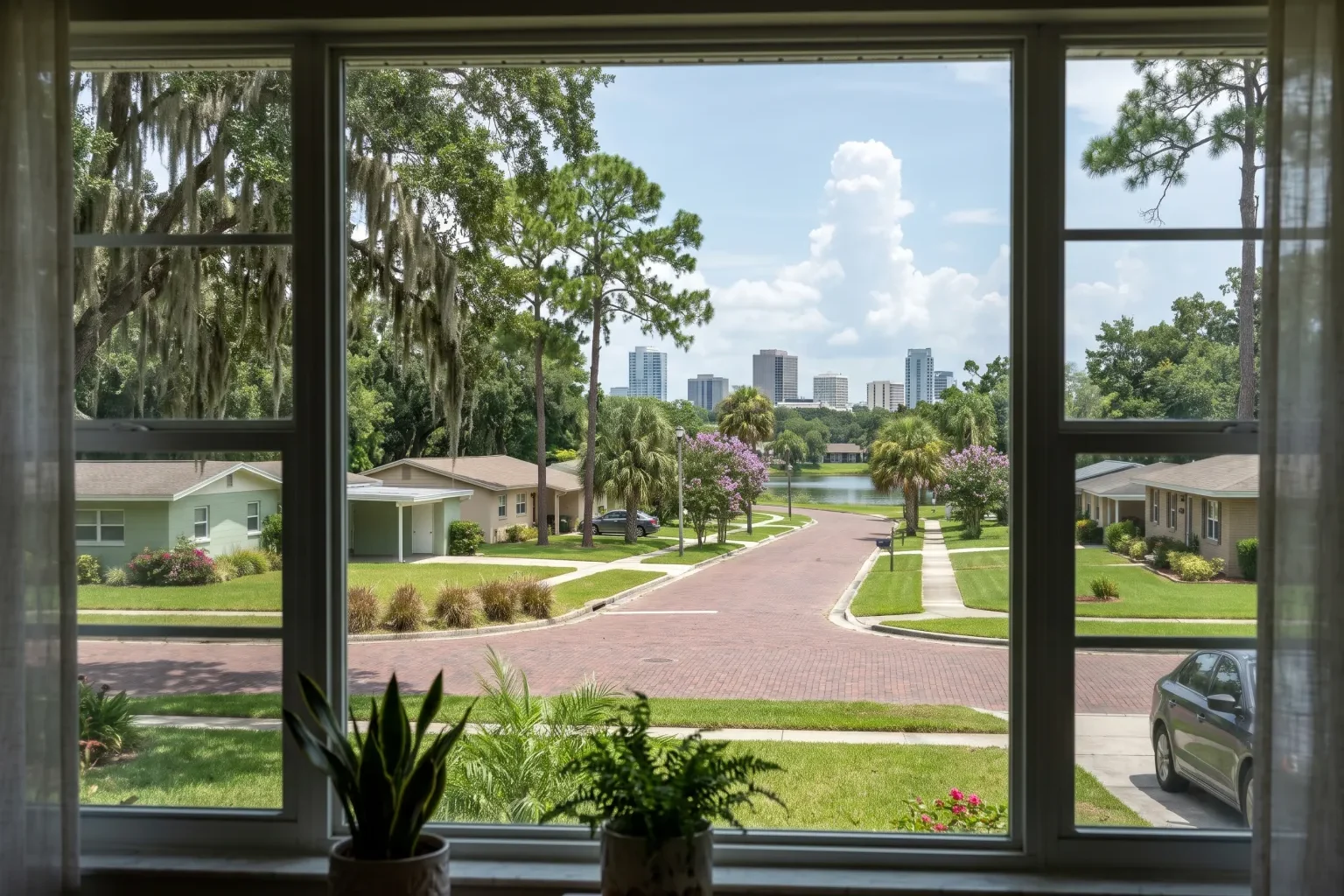
Conway is an established unincorporated area of Orange County about 5 miles northeast of our Orlando base, and a lot of its streets are lined with single-story homes built around the middle of the last century. Those houses tend to have solid concrete-block construction, plaster interiors and decades of updates layered on top of each other. When a Conway homeowner calls us, the conversation often begins with one question: should this room get paint or paper? It is a fair question, and the honest answer depends on the wall, the room and how long you plan to keep the look. Here is how we help people decide, and what happens once they do.
Paper or paint: how to decide
Paint is quicker and easier to touch up, and it is the obvious choice for a ceiling with a slight sag or a wall you expect to repaint every couple of years. Wallpaper adds pattern, texture and depth that paint cannot match, and a well-hung vinyl covering often outlasts a coat of flat paint in a busy hallway. Wallpaper also hides minor plaster irregularities better than glossy paint, once the bigger flaws are filled.
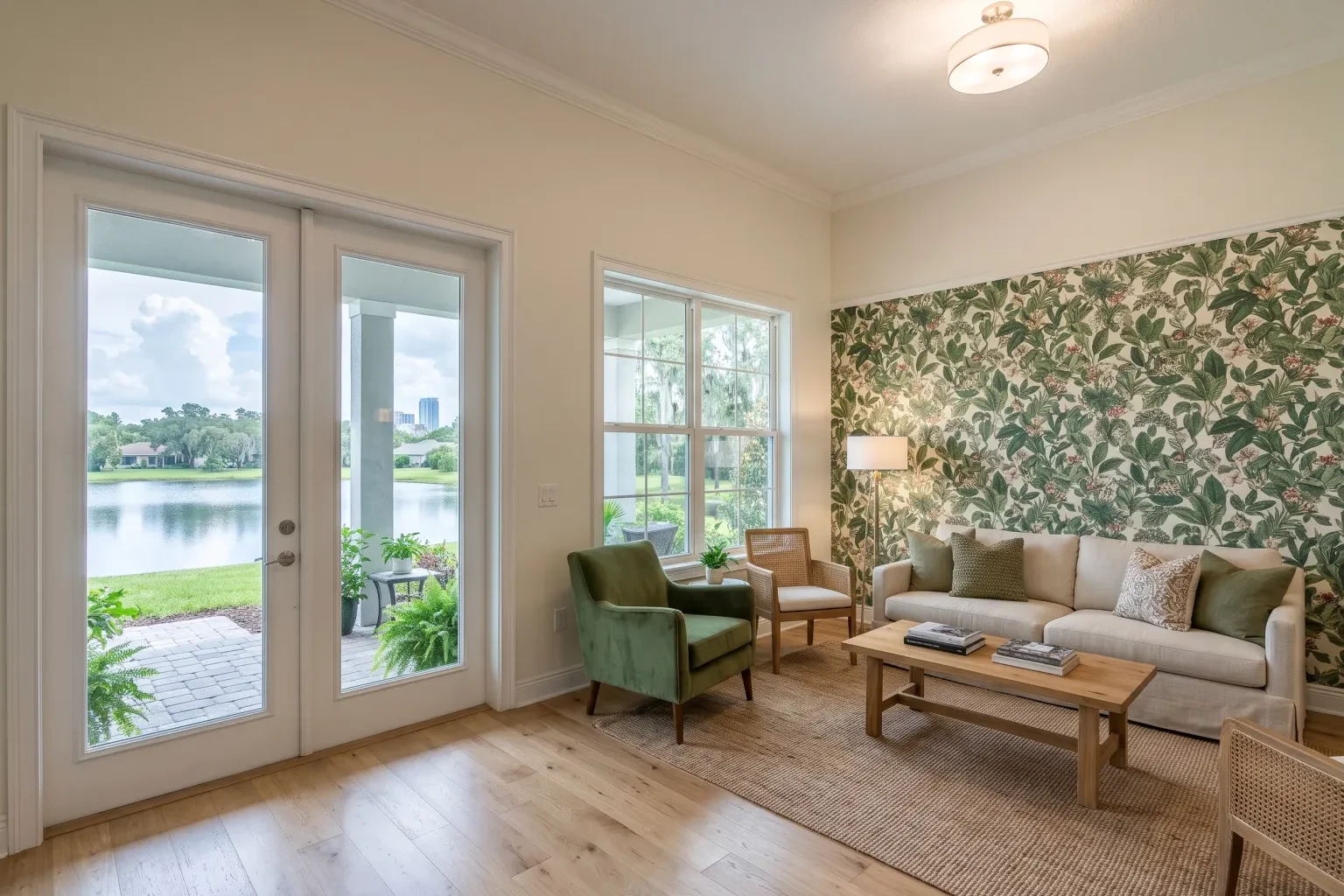
A useful middle path is one papered wall or a papered ceiling in a room that is otherwise painted. It gives you the character of wallpaper with a smaller commitment and fewer rolls, and it is easy to change later.
- Choose paper for pattern, texture and long-lasting hallway walls
- Choose paint for walls you plan to recolor often
- Consider an accent wall or ceiling when you want both
What older Conway walls need first
Mid-century plaster over block is sturdy, but it is seldom flat. Expect hairline cracks near window corners, small chips where picture hooks used to be and patches that do not quite blend with the surrounding surface. Some rooms will still have paper from a past remodel, occasionally with paint rolled over it.
Our prep sequence is consistent. We remove any existing covering completely, rinse away the old paste, fill cracks with a setting compound that will not shrink, skim larger uneven areas and sand everything smooth. Then the whole wall gets a wallcovering primer. On exterior walls, we look for signs that moisture is moving through the block, such as soft or flaking plaster, and raise it with you before going further.
Conway projects we take on
Since Conway is close to our base, we can handle anything from a quick seam repair to a whole-house job without long travel days. Typical requests here include papering a living room wall in a mid-century print, adding grasscloth to a den, hanging a mural in a converted spare bedroom and putting vinyl in a laundry area off the carport or garage. Ceiling paper in a hall bath or small dining space is another option many owners have not considered until they see it. We also install commercial wallcovering for local offices and storefronts.
Timing with the seasons
Orlando's humid subtropical climate brings hot, humid summers from June through September, with heavy afternoon storms most days, followed by mild and much drier winters. Older homes with original windows or less insulation can let more of that summer humidity indoors. We ask you to run the air conditioning at a consistent setting for a day before we begin and for a few days afterward, and we leave rolls indoors so they adjust to room conditions.
The Atlantic hurricane season lasts from June 1 to November 30. If a storm is heading toward Central Florida near your install date, we will contact you to pick a new day so the paste can cure in a cooled house.
Getting started
Reach out with a description of the room and, if you can, a few photos. We will come take a look, explain the prep the walls need and give you a clear schedule. Neighbors in Belle Isle, Edgewood, Sky Lake, Winter Park and Eatonville are on the same route, so northeast and east-side appointments are easy for us to arrange.